

You must be logged in to view this content. Please login or learn more about joining AACRAO. If you have any questions or experience any issues logging in, please reach out to us atmembership@aacrao.org.
Topics
Article Type
Professional Proficiency
Article Abstract
Related Issue:
Author(s)
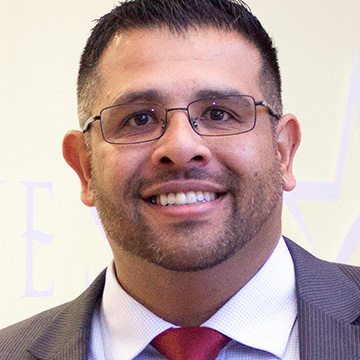 Michael F. Chavez, Ed.D., is the Vice President of Student Success at Lone Star College—Montgomery. He has more than 20 years of experience in community college higher education. His leadership is driven by compassion, collaboration, honesty, and the use of data science to guide decisions. His innovation and creativity strategies using data science has increased enrollment, retention, transfer, and graduation rates. As a first-generation student and a community college alumnus, he has dedicated his entire career to closing the access and achievement gaps in higher education. He received his doctorate in higher education administration from New Mexico State University. Recently (2018), he completed a second master’s degree in business analytics from Syracuse University. Dr. Chavez has held various leadership positions in student services and instructional services at colleges such as Arizona Western College, Alamo College, Midland College, and Lone Star College.
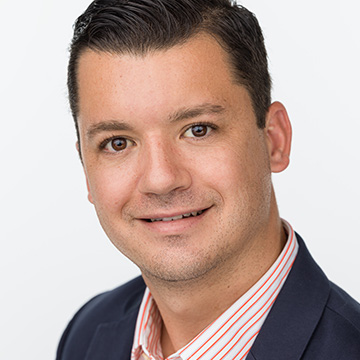 Brian Mullen is Executive Director of Marketing at Lone Star College. He has more than ten years of experience in public relations and marketing communications, and a passion for maximizing an organization’s image and reputation. He has already done so for such prestigious organizations as the Smithsonian Institution, Clemson University, Georgia State University, and now Lone Star College. He was awarded the Public Relations Society of America’s Silver Anvil Award for Excellence and seven additional awards from PRSA and the Council for the Advancement and Support of Education for outstanding strategic marketing communication programs and projects, excellent and innovative use of social media with a high impact, online innovation and experimentation, and outstanding media relations programs. He earned his bachelor’s degree in communication studies from Barry University in Miami, Florida, and his M.B.A. from Clemson University in South Carolina.
References
Related Posts
-

The Carolina Covenant Model of Care: An Integrated Program Approach to Supporting College Students from Low-Income Families and Communities
Higher education professionals might consider adopting a collaborative, caring approach to supporting college students from low-income families as part of…
-
Understanding Persistence in Community College: The Role of Demographics, Financial Aid, and Academic Performance
This study examines the factors influencing student retention at a community college, focusing on demographic characteristics, financial aid, and academic…
-
Using Data-Driven Decision-Making through the Enrollment Funnel in Graduate Public Health Programs
In 2023, a school within a large, public, four-year research university adopted a new framework for strategic enrollment management (SEM)…
share