

By Autumn Walden, Editor, AACRAO Connect, Content Strategy Manager, AACRAO
Each year at the Annual Meeting, the Business Session provides a moment for members to come together as attendees and participants in their association’s governance. Updates are shared, decisions are formalized, votes are cast, and members gain visibility into how the AACRAO leadership stewards the mission and resources. A key part of that stewardship happens through the work of the Finance, Investments, and Audit Committee, which advises the AACRAO Board of Directors and the Executive Director on financial oversight, including budgeting, financial reporting integrity, investment strategy, and audit processes that help ensure the association’s long-term stability.
The FI&A Committee is chaired by the AACRAO Board Vice President for Finance, Dr. Max Xiong, who also serves as Secretary and Treasurer of the Board as part of the charge for that role while also looking ahead, “I’m on the Strategic Plan Committee this year, so I had an opportunity to work with other Board of Directors and the AACRAO office in reviewing and adjusting the current Strategic Plan we adopted almost five years ago to reflect the needs of our institutional members today,” Dr. Xiong shared.
After a months-long search for a new Member-at-Large to begin a new three-year term with the FI&A, AACRAO is proud to welcome Dr. Marc Booker, Vice Provost, Strategy, at the University of Phoenix, following his recent service as the AACRAO Parliamentarian. “The AACRAO mission and scope are vast, and the association has a lot of different ways it serves the higher education community,” said Dr. Booker. “And so being able to appreciate and be empathetic with the many perspectives and identities that members bring to the table will be key to this work.”
In the conversation that follows, Dr. Xiong and Dr. Booker share their perspectives on the importance of financial oversight, the role of the Annual Meeting Business Session, and why member participation remains central to our association’s legacy.
What makes the Business Session such a meaningful part of the AACRAO Annual Meeting?
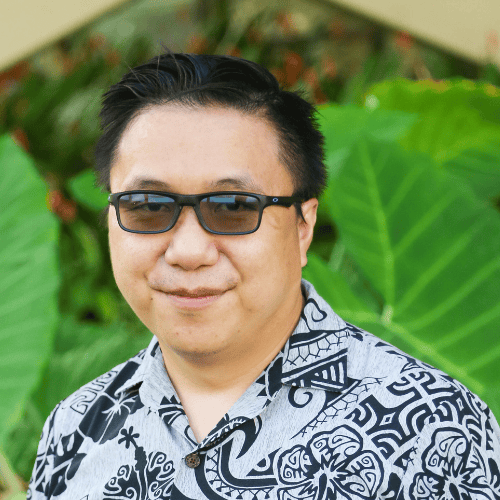
Dr. Xiong: The Business Session at the AACRAO Annual Meeting really is a great way for members to receive updates from the Board of Directors and the Executive Director about the work of the association. Members also receive an update from the Vice President for Finance about the audited financials, the financial health of the association, strategic spend, and changes in the membership dues. The business meeting is used to recognize the amazing contributions of individuals for their outstanding service to the Association.
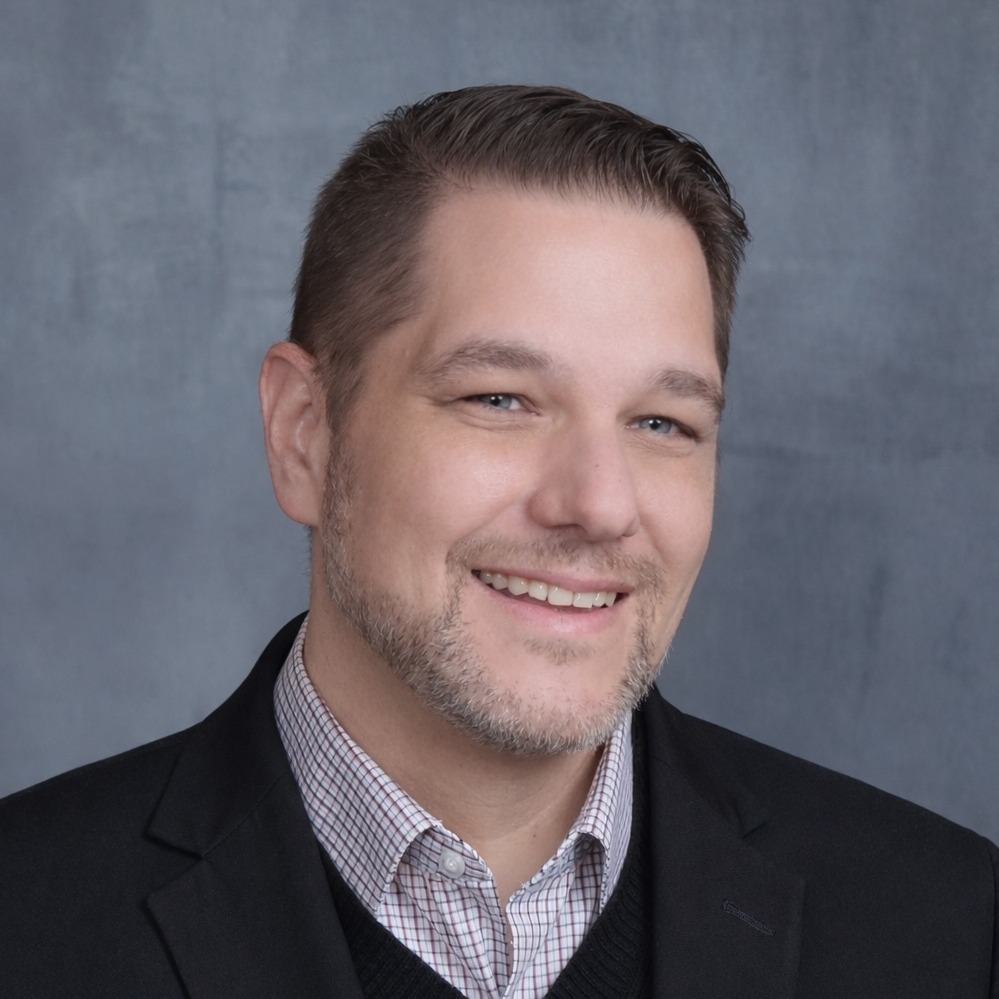
Dr. Booker: The Business Session is such an important part of the AACRAO Annual Meeting as it gives insight to members about the health of the Association and the strategic direction it is going in. It is also a critical component of the governance process for the Association, as this is when bylaw changes are voted on, and members have an opportunity to share their thoughts on important matters facing AACRAO. This session is vital for the continuing flow of operations in the support of AACRAO and its members, and so membership participation and engagement during this event is a crucial way for our voices to be heard.
As Vice President for Finance, you serve as both Secretary and Treasurer to the Board. How do those dual roles shape your leadership approach?
Dr. Xiong: Serving in a dual role shapes my leadership approach on the board in a few ways. When I have my Secretary hat on, I am reviewing the drafted minutes to ensure that the spirit of what was discussed is captured accurately. Often this means going back through my own notes or re-listening to the audio recording of the day’s meeting. This process helps ensure that the Board of Directors meeting records are complete and accurate before the minutes are approved by the board in the following month’s meeting.
When wearing my finance hat, I work closely with the AACRAO Executive Director, Melanie Gottlieb, to prepare the budget for the next fiscal year and to ensure that the Board of Directors is kept in the loop throughout the entire process. Additionally, as chair of the Finance, Investments, and Audit Committee, I share monthly financial reports with committee members and facilitate discussions on the proposed budget before it is presented to the full Board of Directors for approval.
Why is it important for a voting member to serve on this committee?
Dr. Xiong: The FI&A Member-at-Large role was created to provide an outside perspective on AACRAO’s fiduciary responsibilities. Having a voting member in this role not only offers an opportunity to gain insight into the budgeting process, but it also strengthens discussions around compliance with the association’s financial and legal obligations.
What would you say to others considering future service in governance roles?
Dr. Xiong: Don’t be afraid to throw your hat in the ring. Governance roles are a great opportunity to contribute to AACRAO’s strategic plan, mission, and vision. It’s also a great way to learn about how decisions are made and represent the perspective of other members.
How does your experience as AACRAO Parliamentarian (or other roles) prepare you for service on FI&A?
Dr. Booker: My experience as Parliamentarian has helped prepare me for services on the FI&A committee as it has given me insight into the workings, governance, goals, and processes for the AACRAO executive office and AACRAO board. However, I think it is my experience in service to PACRAO and work in my day job that will help prepare me the most to support the FI&A committee. From a PACRAO perspective, I served as both President and Treasurer, which gave me hands-on experience in working with the budget and planning in a volunteer member-driven organization. Additionally, during my tenure as PACRAO Treasurer, I updated the PACRAO financial planning and analysis process to help membership gain better insight into PACRAO income, expenses, and budgeting processes. Related to my day-to-day work, as the leader of the strategic execution of priorities in the academic organization at my institution, I am heavily involved in our annual operating plan and capital budgeting processes, which gives me great insight into managing and supporting large and complex financial models and plans.
As Member-at-Large, you represent AACRAO’s voting membership. How do you plan to keep that perspective central in your work?
Dr. Booker: Being the FI&A member at large means I need to check my premises in the review of all materials and information tied to Association business, so that I am coming from a lens that represents all institutions and member types. AACRAO’s mission and scope are vast, and the Association has a lot of different ways it serves the higher education community. Being able to appreciate and be empathetic with the many perspectives and identities that members bring to the table will be key to this work. To do this, I plan to regularly ask questions or seek feedback from different members within AACRAO on matters germane to providing support to the Finance Investments & Audit committee through the AACRAO exchange or within my network.
What does responsible stewardship mean to you?
Dr. Booker: Responsible stewardship to me goes beyond just the practical handling of day-to-day fiscal responsibility, and in fact is more about the long-term strategic planning for resources towards sustainability. One word that always comes to mind when I think of stewardship is “re-investment”. Saving money and being fiscally lean is a good baseline action, but taking your resources and re-investing them to expand the power and outcomes of an organization takes a good practice and transforms it into a noble practice. Therefore, responsible stewardship to me means finding ways to use our resources to expand our circle and drive positive change into the future.



share