
You must be logged in to view this content. Please login or learn more about joining AACRAO. If you have any questions or experience any issues logging in, please reach out to us at membership@aacrao.org.

/
/
The Role of Organizational Change Management in Successful Strategic Enrollment Management Implementation
The Role of Organizational Change Management in Successful Strategic Enrollment Management Implementation
Posted on
By
Article Abstract
Related Issue:
Author(s)
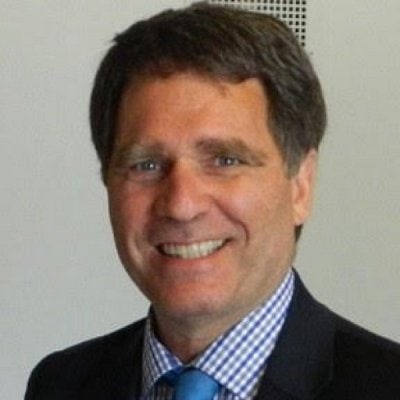 Clayton Smith, Ed.D, is Associate Professor in the Faculty of Education at the University of Windsor, where he teaches at the undergraduate and graduate levels. His research interests include comparative SEM and the role of
faculty in planning and implementing SEM. He spent 33 years in higher education administration at four postsecondary education institutions in the United States and Canada. Most recently, he completed two terms as vice-provost; his portfolio
included academic governance, campus internationalization, enrollment management, and student affairs. Smith is a Senior Consultant with AACRAO Consulting and is Director of the AACRAO Strategic Enrollment Management Conference.
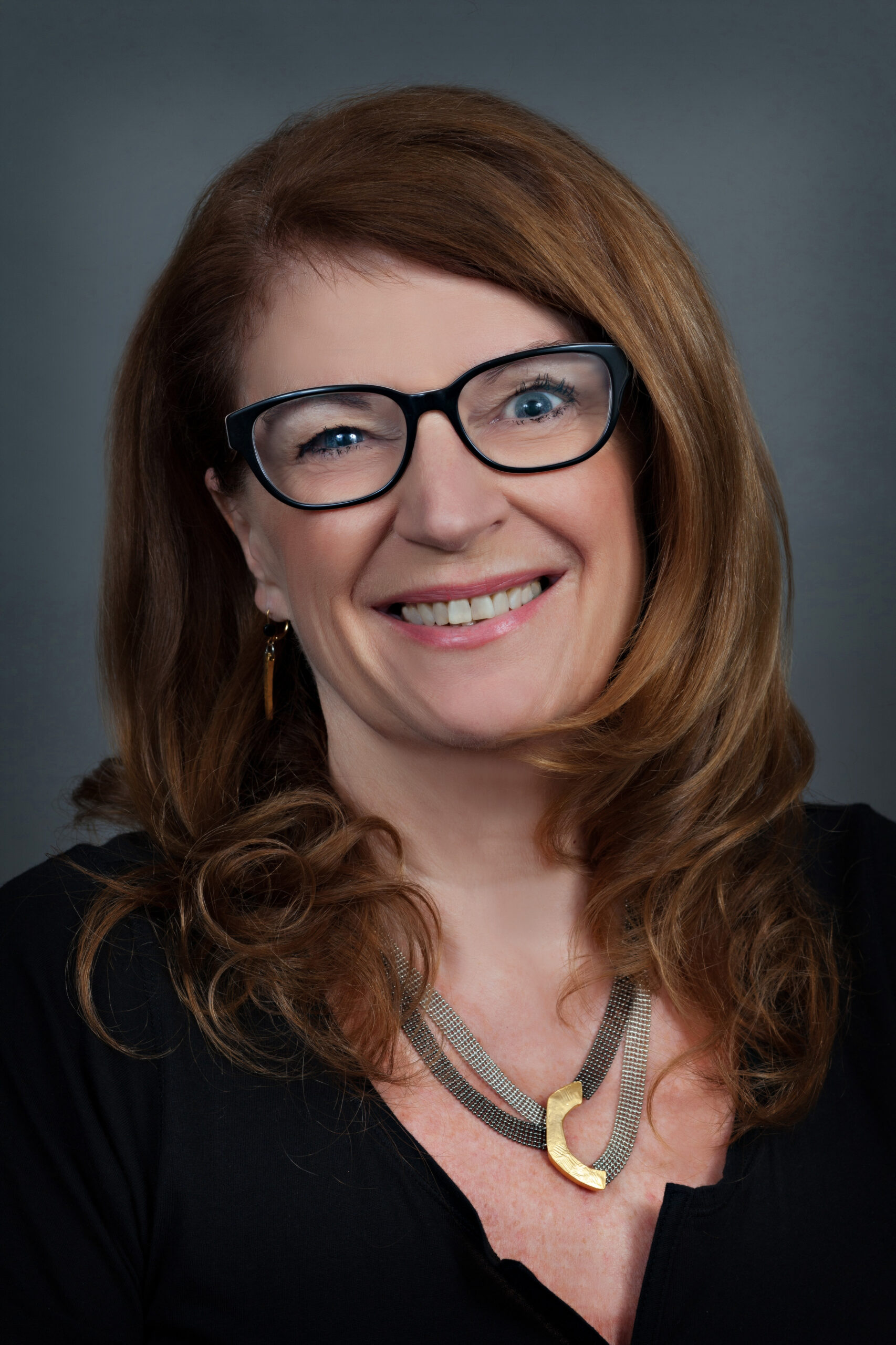 Janet Hyde, M.B.A., is President of Academic Strategic Directions. For 20 years, she has been supporting postsecondary goal achievement through her research and consulting. Previously, Hyde held tenured faculty and administration
positions at two postsecondary education institutions. Hyde is a dynamic speaker whose well-researched presentations spark lively debate. Current areas of research include program planning linked to labor market needs, future skills requirements,
liberal arts education, and leading change in postsecondary education organizations.
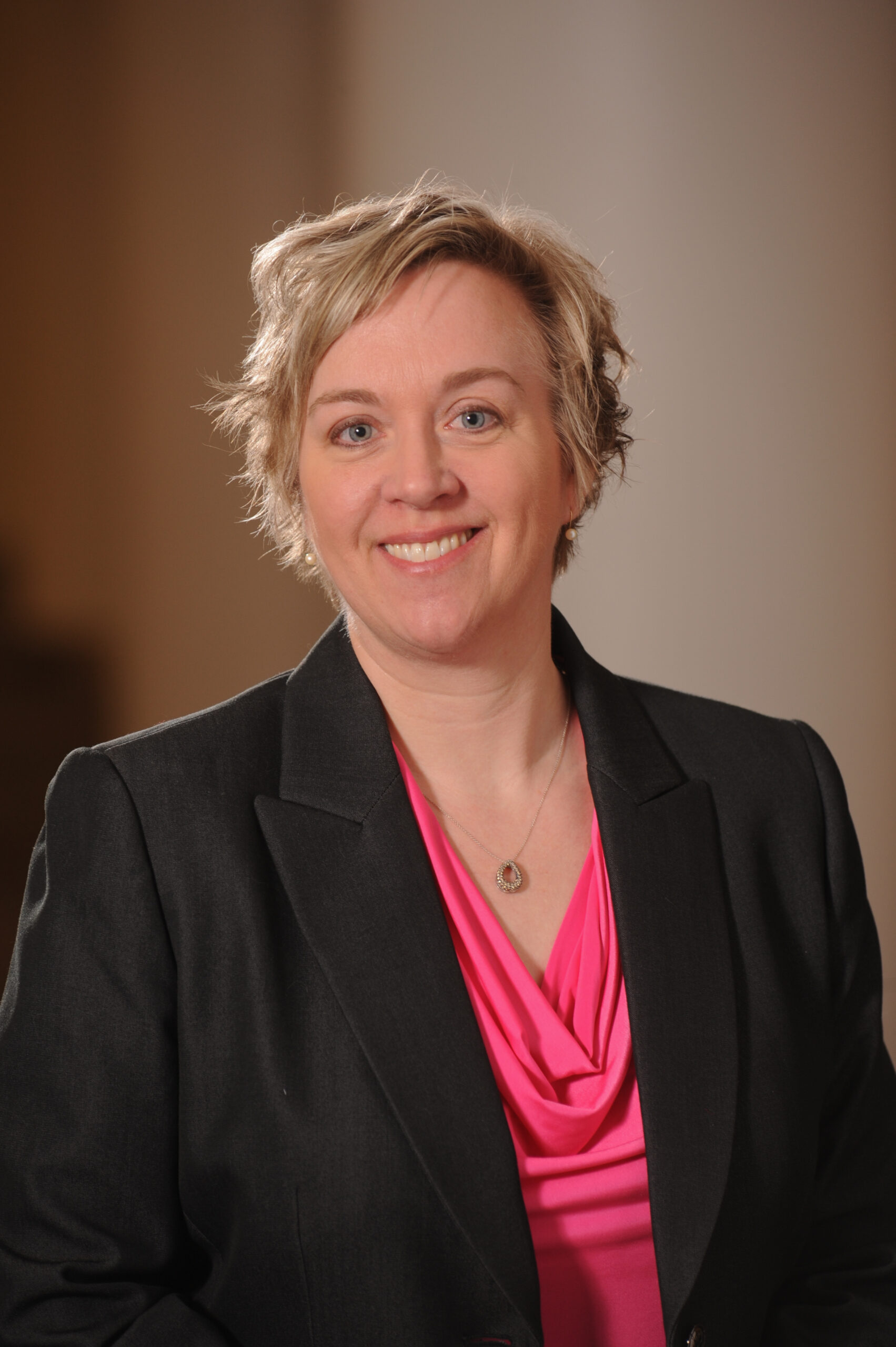 Tina Falkner, Ph.D., is Director of the Office of Student Finance for Academic Support Services at the University of Minnesota. She oversees financial aid, student billing, collections, bursar, and other student financials.
Previously, Falkner served for fifteen years as director of continuity and compliance in academic support resources and in student activities. She was the 2018–19 president of the American Association of Collegiate Registrars and Admission
Officers.
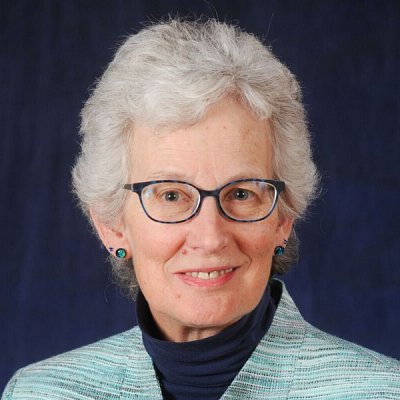 Christine Kerlin, Ed.D., currently serves as a Senior Consultant with AACRAO Consulting Services, working on projects with a wide variety of colleges and universities. Previously, she served as vice president for enrollment
management and vice president for the University Center of North Puget Sound and strategic planning at Everett Community College (Washington). Kerlin served previously as director of admissions and records at Central Oregon Community College and
director of admissions at The Evergreen State College (Washington). Kerlin has a long history of giving conference presentations and workshops and has published several articles.

share