Arnold, K. C., B. L. Castleman, A. Chewning, and L. C. Page. 2015. Advisor and student
experiences of summer support for college-intending, low-income high school graduates. Journal of
College Access. 1(1): 1–28.
Bejarano, C., and M. Valverde. 2012. From the fields to the university: Charting educational access and success
for farmworker students using a community cultural wealth framework. Association of Mexican-American
Educators Journal. 6 (2): 22–29.
Black, J. 2002. Creating a student-centered culture. In Innovation in Student Services: Planning for Models
Blending High Touch/High Tech, edited by D. J. Burnett and D. G. Oblinger. Ann Arbor, MI: Society for
College and University Planning.
Boeckenstedt, J. 2022. Will your college survive the demographic cliff? The Chronicle of Higher
Education. March 22.
Castleman, B. L., and L. C. Page. 2014a. A
trickle or a torrent? Understanding the extent of summer “melt” among college-intending high school
graduates. Social Science Quarterly. 95(1): 202–220.
Castleman, B. L., and L. C. Page. 2014b. Summer nudging: Can
personalized text messages and peer mentor outreach increase college going among low-income high school
graduates? Journal of Economic Behavior & Organization. 115(2015): 144–160.
Davidson, C. N. 2019. Why we need a new higher education:
We have a responsibility to the next generation of students. Liberal Education. 105(2): 6–13.
Denial, C, C. Sorensen-Unruh, and E. Lehfeldt. 2022. We’ve had two
years of disruption. What we need now is time to rethink our approach to higher education on
every-level. The Chronicle of Higher Education. February 25.
Bentrim, E. M., and G. W. Henning. 2022. The Impact of a Sense of Belonging in College. Virginia:
Stylus.
Fischer, K. 2022. The shrinking of higher ed. The Chronicle of Higher Education. August 12.
Gilbert, D., P. Warmington, and S. Demack. 2018. QuantCrit: Education, policy, ‘big fata’ and principles for a
critical race theory of statistics. Race Ethnicity and Education. 21(2): 158–179.
Hoover, E. 2020. Distanced learning. The
Chronicle of Higher Education. April 24.
Jenkins, D. 2011. Redesigning Community Colleges for Completion: Lessons from Research on High-Performance
Organizations (CCRC Working Paper No. 24). New York: Community College Research Center, Columbia
University.
Jordan, M. T. 2019. Enrollment Management and Distributive
Leadership in a California Community College (doctoral dissertation). University of California, Los
Angeles, Los Angeles CA.
June, A. W. 2022. Fall’s
final enrollment count is in. Colleges lost more than 475,000 students. The Chronicle of Higher
Education. January 13.
Kalsbeek, D. 2006. Some reflections on SEM structures and strategies: Part one. College and University.
81(3): 3–10.
Korn, M. 2022 Many
colleges fail in push to boost enrollment. The Wall Street Journal. September 14.
Levin, J. S., and S. Kater. 2012. Understanding Community Colleges. Oxfordshire, England, U.K.:
Routledge.
McMurtrie, B. 2022. The student success challenge. The Chronicle of Higher Education. June 17.
McNair, T. B., S. Albertine, M. A. Cooper, N. L. McDonald, and T. Major. 2016. Becoming a Student-Ready
College: A New Culture of Leadership for Student Success. San Francisco: Jossey-Bass.
Merritt, K. and J. F. Lawrence. 2007. From Rangeland to Research University: The Birth of University of
California, Merced. New Directions for Higher Education, Issue 139. San Francisco: Jossey Bass.
Mobley, C., and C. E. Brawner. 2019. Life prepared me well for succeeding: The enactment of community cultural
wealth, experiential capital, and transfer student capital by first-generation engineering tansfer students.
Community College Journal of Research and Practice. 43(5): 353–369.
Moody, J. 2022. A
5th straight semester of enrollment decline. Inside Higher Ed. May 26.
Nealon, J. L. 2007. One stop student service centers: Virtual and actual. In Student Centered Financial
Services: Innovations that Succeed, edited by N. Sinsabaugh. Washington, D.C.: National Association of
College and University Business Officers.
O’Shea, S. 2016. Avoiding the manufacture of ‘sameness’: First-in-family students, cultural capital and the
higher education environment. Higher Education. 72(1): 59–78.
Pellicciotti, B., A. Agosto-Severa, M. A., Bishel, and P. McGuinness. 2002. Integrated service delivery: In
person and on the web. In Innovation in Student Services: Planning for Models Blending High Touch/High
Tech, edited by D. J. Burnett and D. G. Oblinger. Ann Arbor, MI: Society for College and University
Planning.
Perry, L. 2020. Students First Center Annual Report 2019–2020 (internal, unpublished report). Merced, CA:
University of California Merced.
Perry, L. 2022. One Stop Enrollment Management Service: An Evaluation of the Relationship Between Centralized
Services And New Student Enrollment (doctoral dissertation). Long Beach, CA: California State University.
Schaaf, R. L. n.d. Overcoming
a “that’s the way we have always done it” mindset in schools. Ed News Daily.
The University of California. 2018. The University of California is Born. University of California
Office of the President.
University of California, Merced. 2022a. Enrollment Management Team Guide Book (internal unpublished
document). Merced, CA: Author.
University of California, Merced. 2022b. University of
California Merced Fast Facts. Merced, CA: Author.
Walters, E. 2003. Becoming student centered via the one-stop shop initiative: A case study of Onondaga community
college. Community College Review. 31(3): 40–54.
Welton, A. D., and M. A. Martinez. 2013. Coloring the college pathway: A more culturally responsible approach to
college readiness and access for students of color in secondary schools. The Urban Review. 46: 197–223.
Yosso. T. 2005. Whose culture has capital? A critical race theory discussion of community cultural wealth.
Race Ethnicity and Education. 8: 69–91.


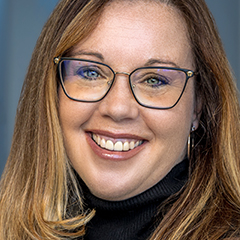 Lisa Perry, Ed.D., is the Director of UC Merced’s Students First Center (SFC). She has been with the
share